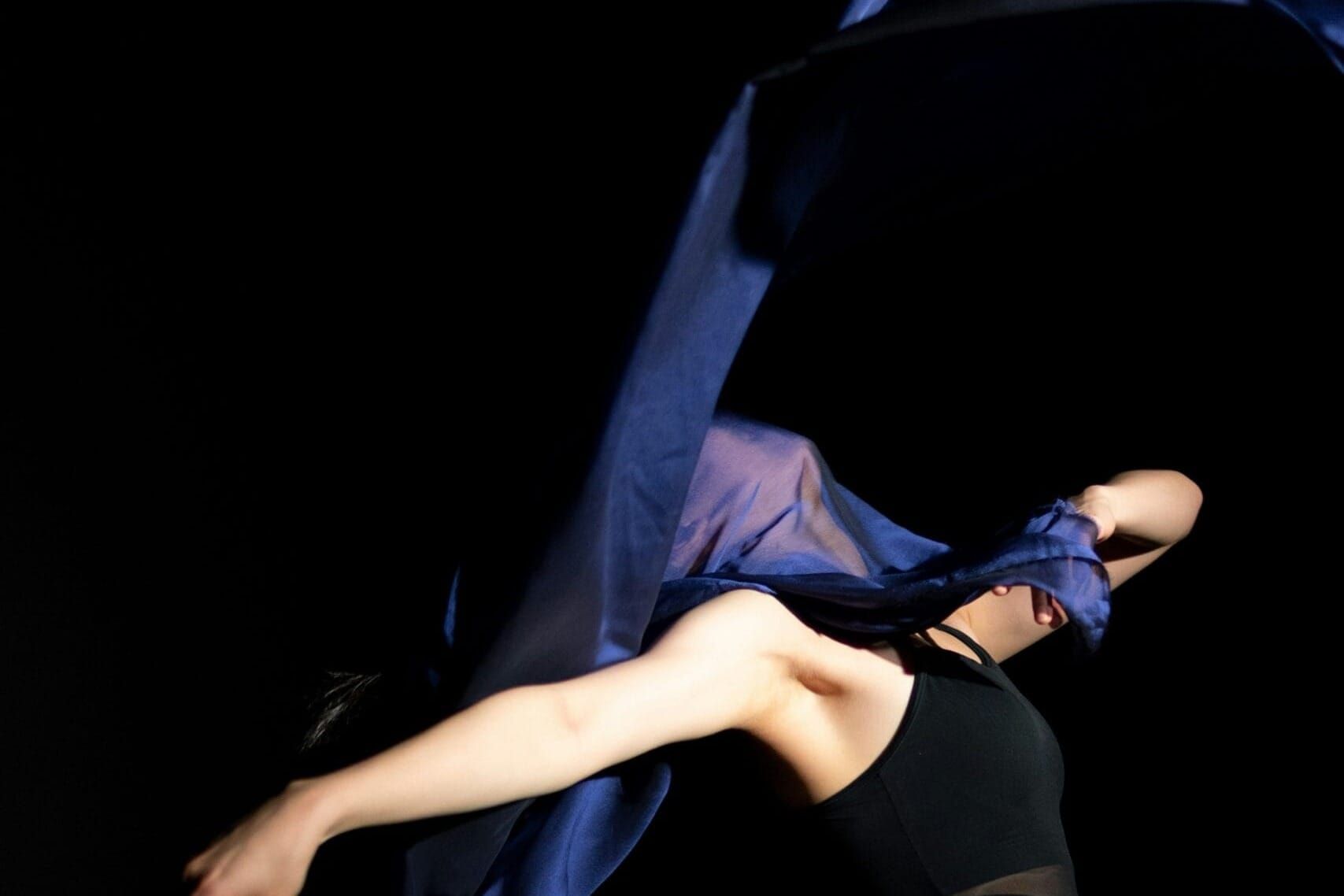
I am not what many would consider a "good" dancer, as my wife and daughter will readily attest. Yet there's something about dancing that has always called to me. Whether it was making music videos with my brothers as a child or finding myself drawn to the dance floor at celebrations, the pull of rhythm and movement speaks to something fundamental in my being. Perhaps it's because dance, at its heart, is not about perfection but about relationship – with music, with others, with ourselves.
The Three Partners
We often think of dance as something we do with a single partner or alone. But what if life itself is an intricate dance with multiple partners, each one teaching us something essential about who we are and who we might become? I propose that our deepest vocation – our unique way of being in the world – emerges through what I call the triadic dance: a continuous, flowing engagement with three distinct but interrelated partners.
This dance requires a particular kind of presence, one that cultivates three distinct forms of receptivity. Like learning different dance styles, each form of receptivity has its own rhythm, its own way of moving, its own wisdom to impart.
Dancing with Our Inner Landscape: Intrapersonal Receptivity
The first dance begins within. Like a dancer feeling the initial stirring of movement in their body, intrapersonal receptivity is about opening to our internal rhythm – the subtle pulses of emotion, intuition, and bodily wisdom that guide us. This is where we learn to distinguish between the movements that feel authentic and those that are merely mechanical repetitions of others' dances.
In this internal dance, we are both the music and the dancer. Our thoughts provide one rhythm, our emotions another, our bodily sensations yet another. Learning to move with these internal rhythms – rather than fighting against them – creates a foundation for all other movement in our lives.
Dancing with Others: Particular Receptivity
The second dance extends outward to specific others – partners, friends, family, colleagues. Like partners in a tango, we learn to read subtle cues, to move in harmony without losing our own balance. This interpersonal dance requires what we might call particular receptivity – an attunement to the unique energy and direction of specific others.
This dance teaches us through contrast and resonance. When we truly open to how others move through the world – their perspectives, their ways of being – we discover new possibilities within ourselves. Sometimes we find ourselves naturally moving in sync, other times we notice resistance or discomfort. Both experiences are valuable teachers. The synchronicity shows us aspects of ourselves we might want to develop further; the resistance often points to places where we need healing or growth.
Dancing with Life: Field Receptivity
The third dance partner is life itself – the vast field of being in which all our movements take place. This requires what we might call field receptivity: an openness to the larger rhythms and patterns that move through existence. Like a surfer attuning to the ocean's swells, we learn to sense and move with forces larger than ourselves.
This is perhaps the most subtle and profound of the three dances. It invites us to recognize that we're always dancing on a floor not of our own making, to music we didn't compose, yet paradoxically, this is where we often find our most authentic movement. This dance teaches us about trust, surrender, and the art of working with rather than against the currents of life.
The Integration: Finding Our Unique Movement
These three dances – with self, others, and life – are not separate performances but aspects of a single, integrated movement. Like a jazz musician who must listen to their own instrument, the other players, and the overall flow of the music simultaneously, we are called to maintain awareness of all three partners.
Our vocation – our unique way of being and contributing to the world – emerges not from mastering any single dance but from the dynamic integration of all three. It's in the space where self-awareness meets relational attunement meets cosmic participation that we find our truest movement.
This doesn't mean the dance is always graceful. Sometimes we step on toes, lose the rhythm, or find ourselves momentarily frozen. But even these moments are part of the dance, teaching us something essential about ourselves and our place in the greater choreography of life.
Living the Dance
The triadic dance isn't a destination but a practice, one that evolves as we do. Some days we might feel more attuned to our internal partner, other days to our interpersonal connections or the larger field of life. The art lies not in maintaining perfect balance, but in staying responsive to the changing rhythms and needs of each moment.
As we continue this dance – listening inward, moving with others, and flowing with life – we find ourselves naturally expressing our vocation. Not as something we achieve or accomplish, but as something we live into, movement by movement, day by day. This is how we discover and embody our unique contribution to the great dance of existence.